

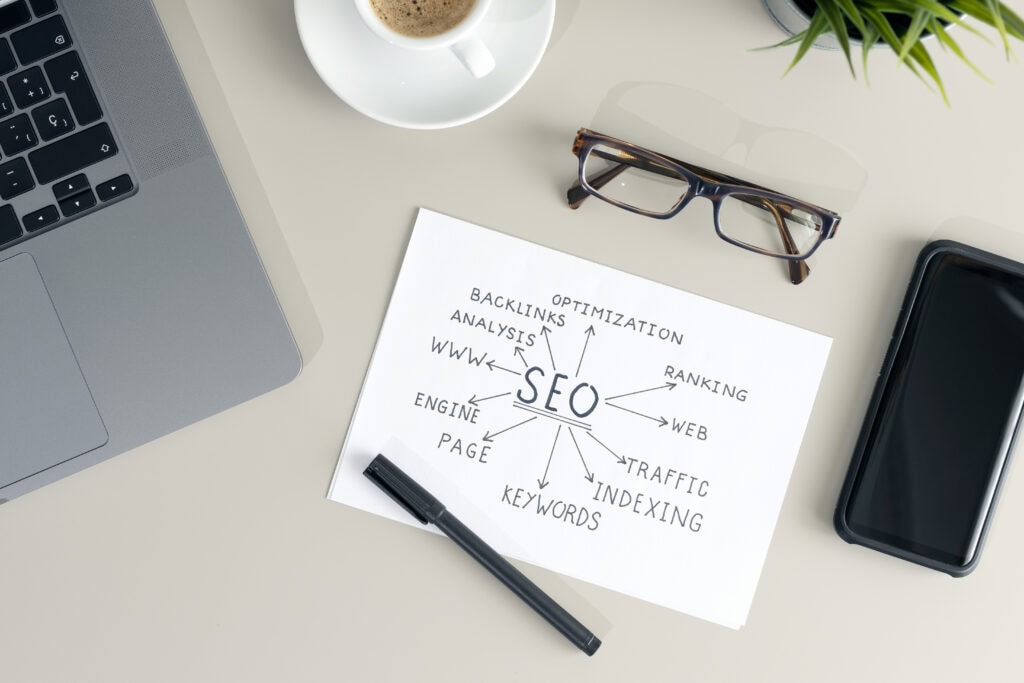
For many businesses, SEO can feel like a leap of faith. Unlike paid advertising, which often delivers immediate, measurable results, search engine optimization takes time. Rankings don’t change overnight, traffic grows gradually, and the payoff isn’t always obvious in the early stages. This leads many business owners to ask the same question. Is SEO really worth the investment? The short answer is yes, but only when it is approached with the right expectations. SEO is not a quick win. It is a long-term growth strategy that compounds over time, delivering sustained visibility, credibility, and return long after the initial work is done. Understanding how those long-term gains unfold is key to appreciating their true value.
Why Businesses Question the Value of SEO
SEO is often compared directly to paid marketing, and on the surface, the contrast can be discouraging. Paid ads deliver traffic as soon as budgets are activated. SEO, on the other hand, requires upfront effort with results that may take months to materialize fully.
Another challenge is that SEO success is not tied to a single metric. Rankings, traffic, engagement, and conversions all play a role, making it harder to pinpoint progress at a glance. Without clear expectations, businesses may feel uncertain about whether their investment is paying off.
This comparison overlooks a critical distinction. Paid campaigns stop delivering results the moment spending ends. SEO continues working long after the initial optimization is complete. That difference is what makes SEO such a powerful long-term asset.
How SEO Creates Long-Term Value
At its core, SEO improves how easily your business is found online. When your website ranks for relevant search terms, it attracts users actively seeking the solutions you provide. This intent-driven traffic is one of the biggest advantages of SEO. Instead of interrupting users with ads, you meet them when they are searching for answers.
Over time, this visibility builds trust with your audience and the search engine. Search users tend to view top-ranking websites as more credible and authoritative. As your site consistently appears for key topics, your brand becomes familiar, even to users who do not convert immediately. This brand recognition compounds, strengthening your position in the market with each passing month.
SEO also supports every other digital marketing channel. High-quality, search-optimized content can be repurposed for social media, email campaigns, and sales materials. Landing pages built with SEO best practices often convert better because they are clearer, more structured, and more user-friendly. In this way, SEO becomes a foundation rather than a standalone tactic.
The Compounding Effect of SEO
One of the most overlooked benefits of SEO is its compounding effect. Early efforts lay the groundwork through technical improvements, keyword research, and foundational content. As time passes, each new piece of optimized content builds on that foundation, strengthening the site’s overall authority.
This compounding effect means that the return on investment often improves over time. While the first few months may feel slow, the long-term gains tend to accelerate, making SEO increasingly cost-effective the longer it is maintained.
SEO vs Paid Marketing Over Time
Paid marketing and SEO serve different roles, but their long-term value differs significantly. Paid campaigns are excellent for short-term goals, promotions, or immediate lead generation. They provide control and predictability, but they require constant funding.
SEO, by contrast, is an investment in owned visibility. Once your site earns strong rankings, it continues to generate traffic at a lower cost per click. While ongoing optimization is still necessary, the cost of maintaining SEO is typically far lower than sustaining equivalent traffic through paid channels alone.
Many successful businesses use both strategies together. Paid ads provide immediate traction, while SEO builds a durable presence that reduces reliance on ad spend over time. When viewed through this lens, SEO is not competing with paid marketing. It is balancing it.
Measuring the Real ROI of SEO
Determining whether SEO is worth it requires looking beyond short-term metrics. Rankings and traffic are important indicators, but they do not tell the full story. The true value of SEO lies in its impact on lead quality, conversion rates, and customer acquisition costs.
SEO driven visitors are often more qualified because they arrive with intent. They searched for a solution, found your site, and chose to engage. Over time, businesses often see higher conversion rates from organic traffic than from other channels. This improves efficiency across the marketing funnel.
Additionally, SEO contributes to lower acquisition costs. As organic traffic grows, businesses rely less on paid clicks to maintain lead volume. The result is a more sustainable marketing model with predictable, long-term returns.
When SEO Is Especially Worth the Investment
SEO tends to deliver the greatest value for businesses focused on long-term growth rather than quick wins. Companies operating in competitive industries, service-based businesses relying on local visibility, and brands seeking thought leadership all benefit significantly from sustained SEO efforts.
It is also especially valuable for businesses with complex offerings. When customers need education before making a decision, SEO driven content provides that guidance at scale. Blogs, guides, and service pages work together to answer questions, build trust, and move prospects toward conversion, often before a sales conversation even begins.
That said, SEO requires patience and consistency. Businesses looking for immediate results without ongoing effort may be disappointed. But for those willing to invest with a long-term mindset, the payoff is substantial.
Setting the Right Expectations
Understanding the timeline of SEO is critical. Early stages focus on research, technical improvements, and foundational content. Surveys show that it takes about 3 to 6 months of continual SEO work for the strategy to start paying off, but once it does, the momentum only grows.
This gradual progression is not a weakness. It is what makes SEO durable. Each improvement strengthens your digital presence, making it harder for competitors to displace you once authority is established. When expectations align with reality, SEO becomes one of the most reliable growth strategies available.
So, is SEO Worth It?
When viewed as a long-term investment rather than a quick tactic, SEO consistently proves its value. It builds visibility that persists even when budgets change, attracts high-intent traffic, and supports sustainable growth across channels. While it requires patience, the cumulative impact makes SEO one of the most cost-effective marketing strategies available today.
For businesses focused on longevity, credibility, and scalable growth, SEO is not just worth it. It is essential.
Partner with Experts for Long-Term SEO Success
Executing an effective SEO strategy takes experience, planning, and ongoing refinement. From technical optimization to content strategy and performance tracking, every element plays a role in achieving lasting results.
Wondering if SEO is worth it for your business? Effect Web Agency helps businesses build SEO strategies designed for long-term growth and measurable returns. Contact us today to learn how SEO can help you achieve your goals.